
For a lot of creatives and freelancers, the real focus doesn’t kick in until the rest of Paris goes to sleep. At 11 PM, the emails stop, social media slows down, and you finally have the uninterrupted headspace to actually create.
There is nothing inherently wrong with being a night owl. The problem arises when your nighttime productivity clashes with a world—and a body—that expects you to function during the day. If you prefer working late but find yourself perpetually exhausted, foggy, or anxious about your routine, it’s not about forcing yourself to become a morning person. It’s about building structure around your natural rhythm.
Here is how to manage a late-night schedule without destroying your health.
PRIORITIZE CONSISTENCY OVER CONVENTIONAL HOURS
Your body craves predictability far more than it craves a 7 AM wake-up call. If your ideal working window is 10 PM to 2 AM, embrace it—but keep it consistent.
Going to bed at 3 AM and waking up at 10 AM every single day is much healthier for your circadian rhythm than sleeping at midnight on Monday, 4 AM on Wednesday, and trying to “catch up” by sleeping until noon on Sunday. Pick your window and stick to it, even on weekends.

FAKE THE DAYLIGHT
One of the biggest risks of working the night shift is missing out on sunlight, which regulates your mood, energy, and vitamin D levels. When you do wake up, make a point to get natural light immediately. Open your curtains, grab your morning coffee by the window, or take a quick walk around the neighborhood. Conversely, when you are working late, use warm, dim lighting in your workspace to signal to your brain that it is still nighttime, despite your productivity.
SET BOUNDARIES WITH DAYTIME CLIENTS
Working late shouldn’t mean being available 24 hours a day. If you finish a project at 3 AM, do not send it to your client right away—it sets an expectation that you are always online, and their immediate reply might wake you up just as you fall asleep. Use the “schedule send” feature on your email to deliver your work at 9 AM. This protects your sleep environment and maintains a professional boundary.
SEPARATE YOUR SLEEP FROM YOUR WORK
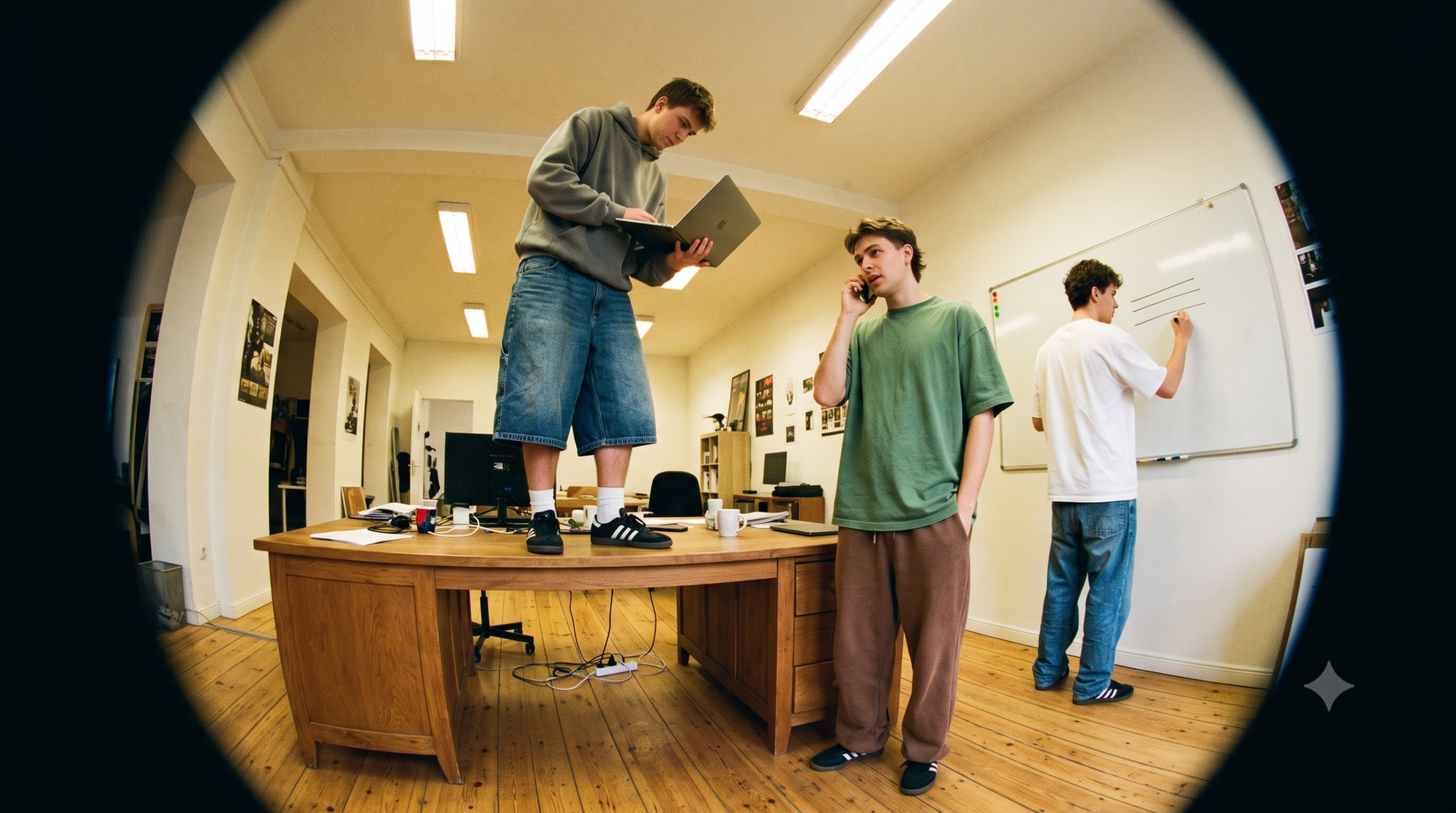
When you work late at home, the temptation to work directly from your bed is massive. This is a fast track to insomnia because your brain begins to associate your bed with stress and alertness rather than rest. If you are going to work late, do it at a designated desk. Better yet, utilizing a 24/7 workspace allows you to keep the nighttime hustle completely separate from your apartment, meaning that when you finally walk through your front door, your mind knows it is strictly time to sleep.